Shopping, outrigger ride, mangosteens, and Borobodur
Feb 09, 2026
In the last installment, K and Estella went sightseeing in Bali. Now they are spending a few more days there and going to the island of Java, stopping first in Jogjakarta (Yogyakarta). Here are her travel journal entries from this part of the trip.
Wed. Dec. 24 (continued)
After a nap, lunch at the outdoor place, walked to the antique shop the Fetzners had told us about. Bought an old bell. Stopped to see Ni Poluk’s home—a former Legong dancer. Widow wife of Le Mayeur, the Belgian painter—lived in Bali 30 years.
I couldn’t find information about an antique shop near the Bali Beach Hotel that was open in 1969, but there is a woman named Murni in nearby Ubud who has been an entrepreneur since 1974—she has guesthouses, a spa, restaurant, and shop. There’s an online store if you want to look at some lovely old ceremonial textiles, baskets, masks, and other antiques. Here’s a story about Adrien-Jean Le Mayeur and Ni Pollok—she died in 1985, and their home is still a museum.
Thu. Dec. 25
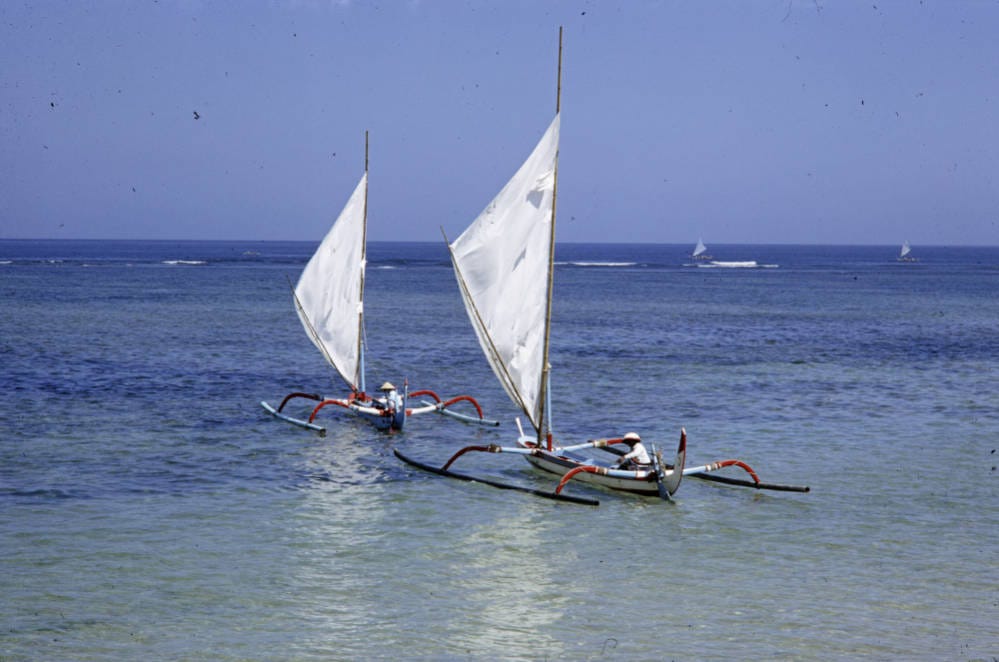
To celebrate Christmas we had a ride in an Outrigger canoe. Went down to the beach to inquire about Estella’s friend, and to get prices of hotels for Jane Arp. Walked back to an Art Gallery, then back to the hotel. In the afternoon went bathing in the ocean, picked up shells. Had turkey dinner at the hotel. Watched the tide come in under a full moon.
This was apparently quite memorable! In the letter she wrote to summarize highlights of the trip, she says:
Christmas Day shall be remembered for a ride in an outrigger canoe, going bathing and beach combing in the ocean, and watching the tide come in under a full moon.
Here’s a 70s-era picture of outrigger canoes in Bali.
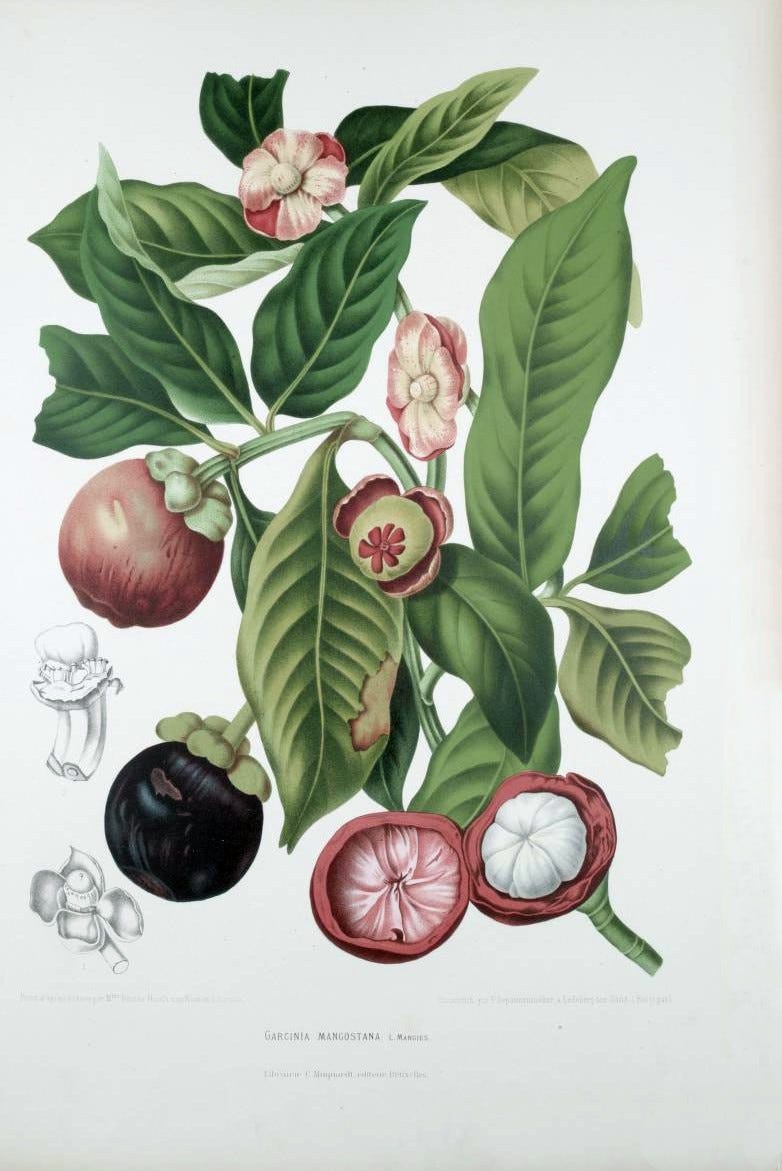
Some of the fruit was wonderful. I bought at least three dozen mangosteens in a beautiful hand-woven basket for about twenty-five cents. Mangosteens, in case you don’t know, are very delicious. I had not known about them until I came to Thailand and the ones in Bali were better than the ones here. The fruit about the size of an apple has a thick rind enclosing segments of very sweet, very white, very juicy pulp.
Sat on the balcony a few minutes—and burned my legs and face. Met Stella’s friend for lunch. Checked our tickets. Went bathing again. Picked up more shells. Walked up to one of the shops, hoping to see a shadow play, but it didn’t work out.
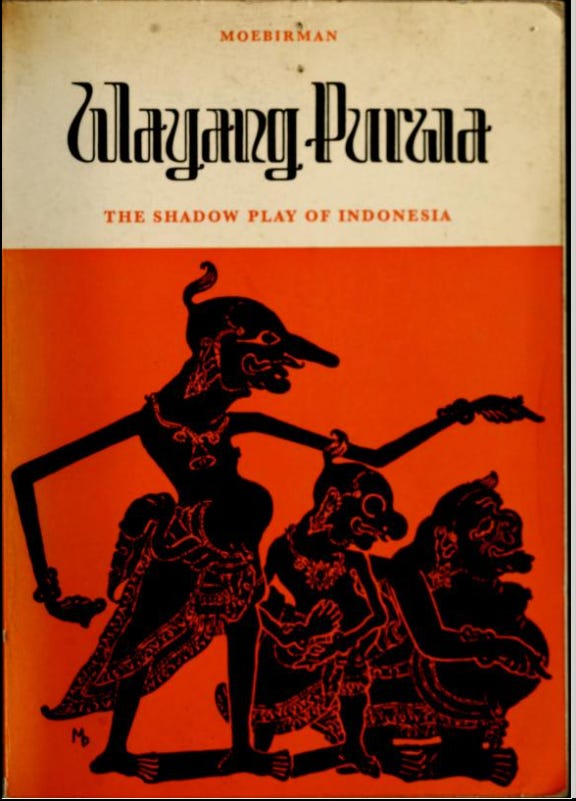
Wayang is the traditional puppet theatre of Indonesia, which has been around since the 1st millennium CE. Here’s a short UNESCO video on this art form.
I don’t know if K got to see a shadow play during her trip, but I did find a book about it in her files. The book is available to read online if you’d like to dig a little deeper.
Sat. Dec. 27
Left the hotel about 10:30. Plane left about 11:30.
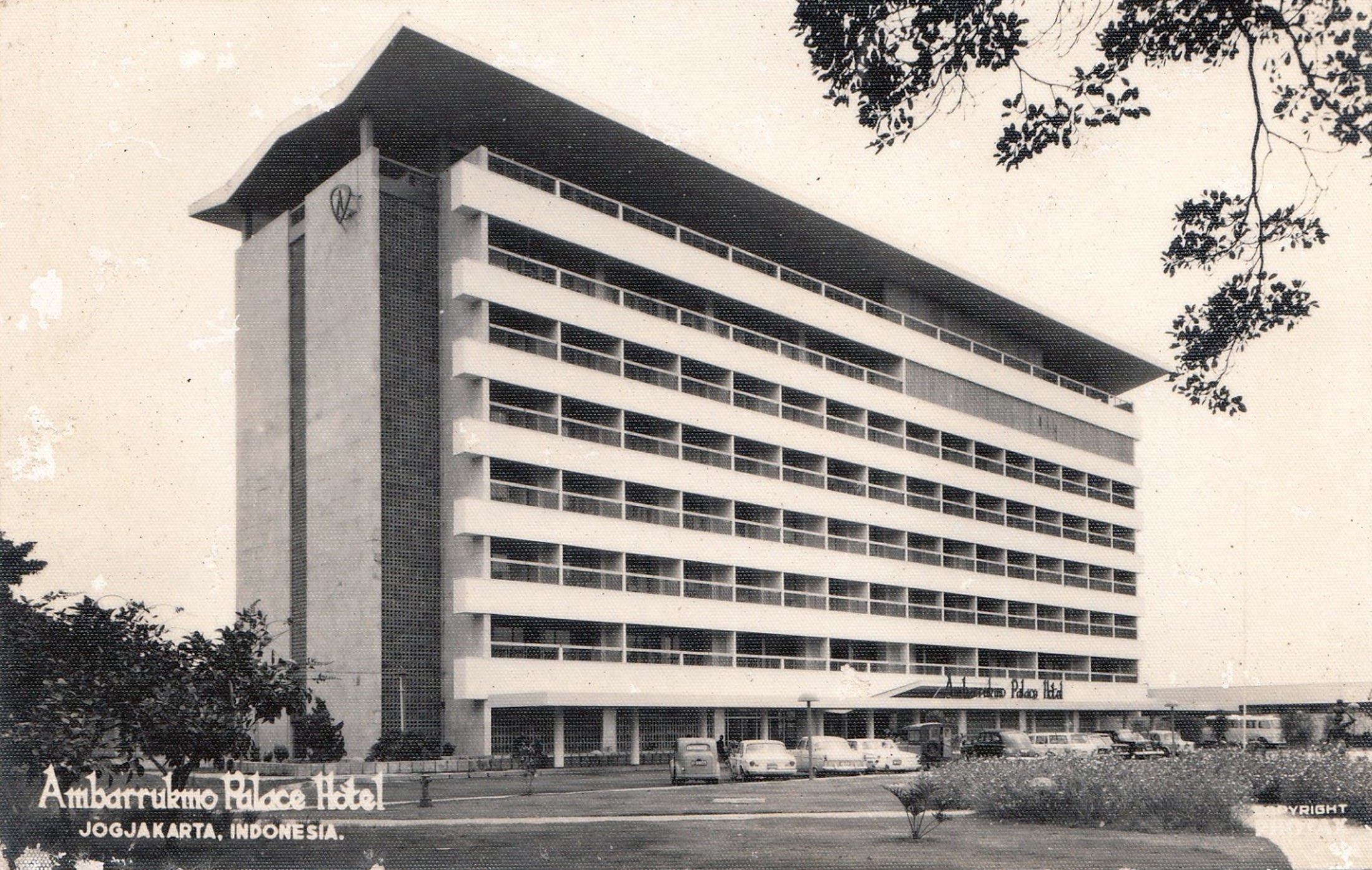
Arrived in Jogjakarta around two p.m. Checked in at the Ambarrukmo Palace Hotel. This is a hotel built with money lent by the Japanese.
Yogyakarta (the more current spelling of the name, although both are correct) is the capital city of a region in south-central Java. It is a center of classical Javanese fine arts and culture. This hotel, built within the complex of a former royal palace, was financed with Japanese reparation funds following World War II.
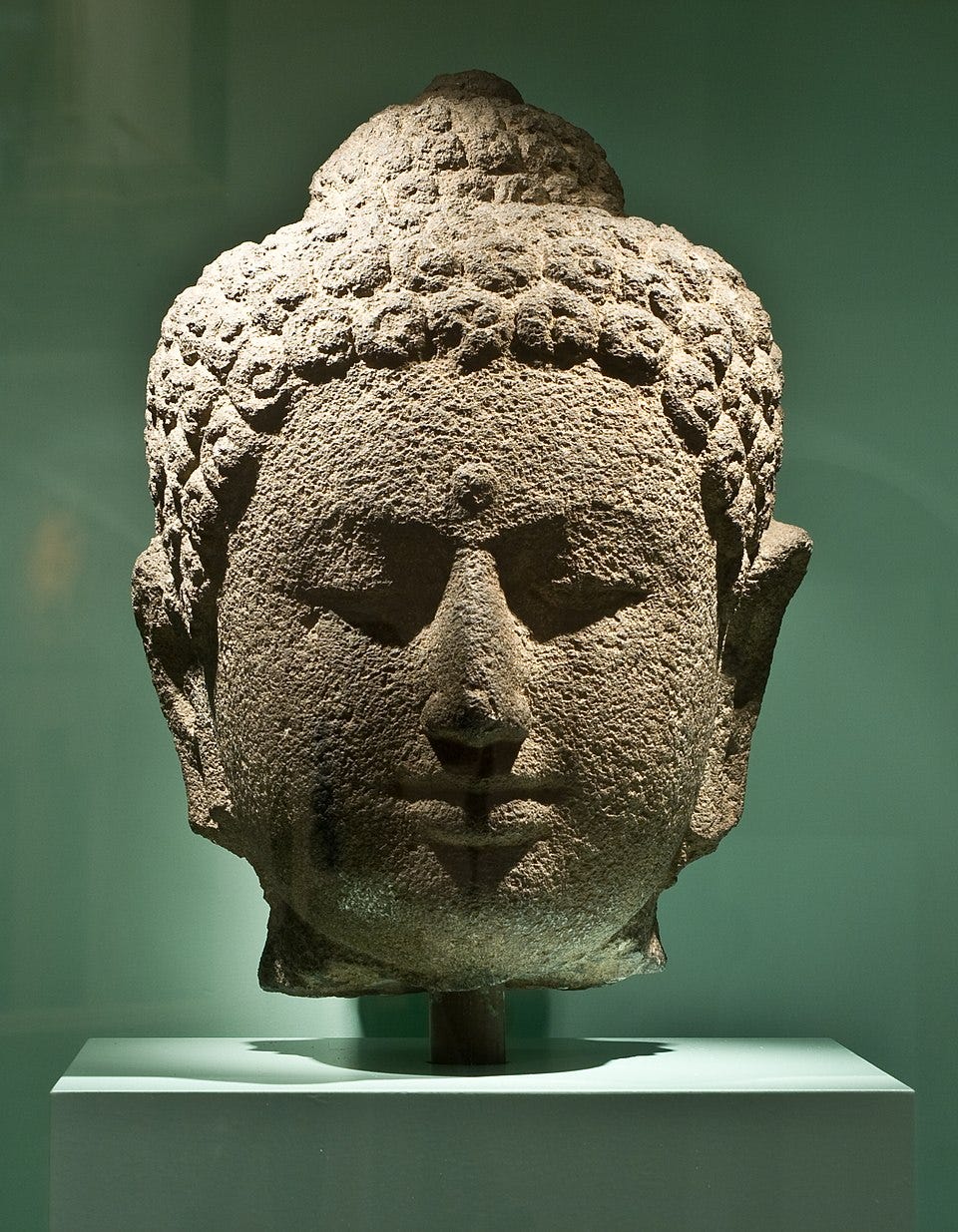
We went at once to Borobudur—8th century Hindu-Djavanese Art. Not a temple. Buddhist sanctuary, a massive “stupa”—commemorate and shelter sacred relics. It has 155 bell-shaped stupas, each with a Buddha. All the heads of the Buddhas were missing. (When we visited the museum in Djakarta we saw some of the heads.) In 13th century traders began to introduce Islam. Most local kings were converted. The last king of the empire of Madjopakit, rather than surrender, committed suicide. His son and followers went to Bali where a Bali-Hindu culture still flourishes. After this we went shopping for batiks.
According to this article, there are no known records of the construction or intended purpose of Borobudur (although they do refer to it as a temple). It was abandoned for centuries. Restoration began in the early 1900s, but stalled at some point. The Indonesian government and UNESCO undertook a major project between 1975 and 1982, and it is now listed as a World Heritage Site. Here’s a picture of a Buddha head from Borobudur that is in an Amsterdam museum.
By Niels from Amsterdam, NL - Tropenmuseum - Kop Borobudur, CC BY-SA 2.0, https://commons.wikimedia.org/w/index.php?curid=7657612
Here are some of K’s pictures from this site.
Photos / Katharine Boylan
I’ll close with a few additional pictures she took around Jogjakarta.
Photos / Katharine Boylan
Thanks for reading Travels with K! See you next week with more adventures from Indonesia.